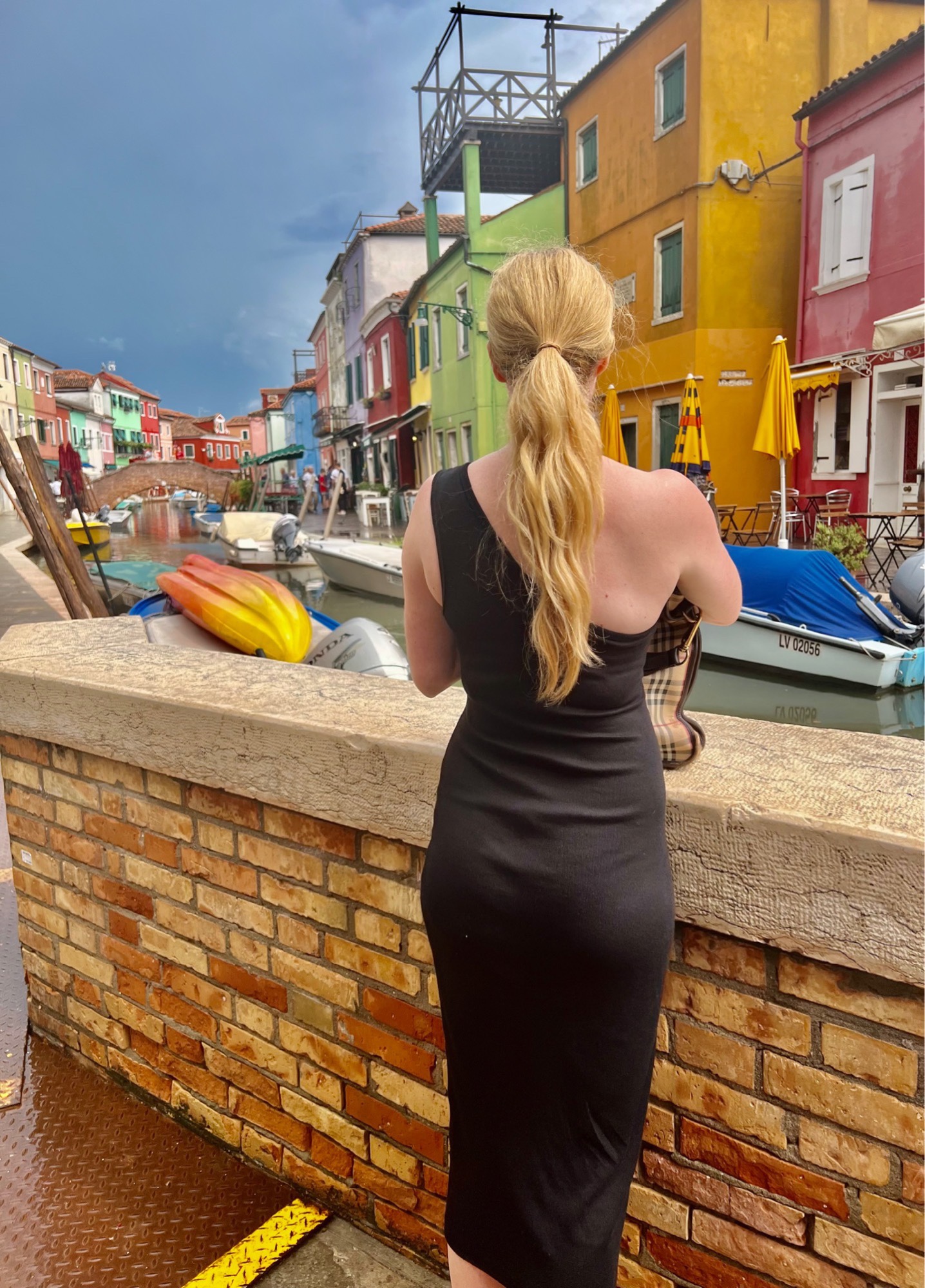
In the movies, people have time.
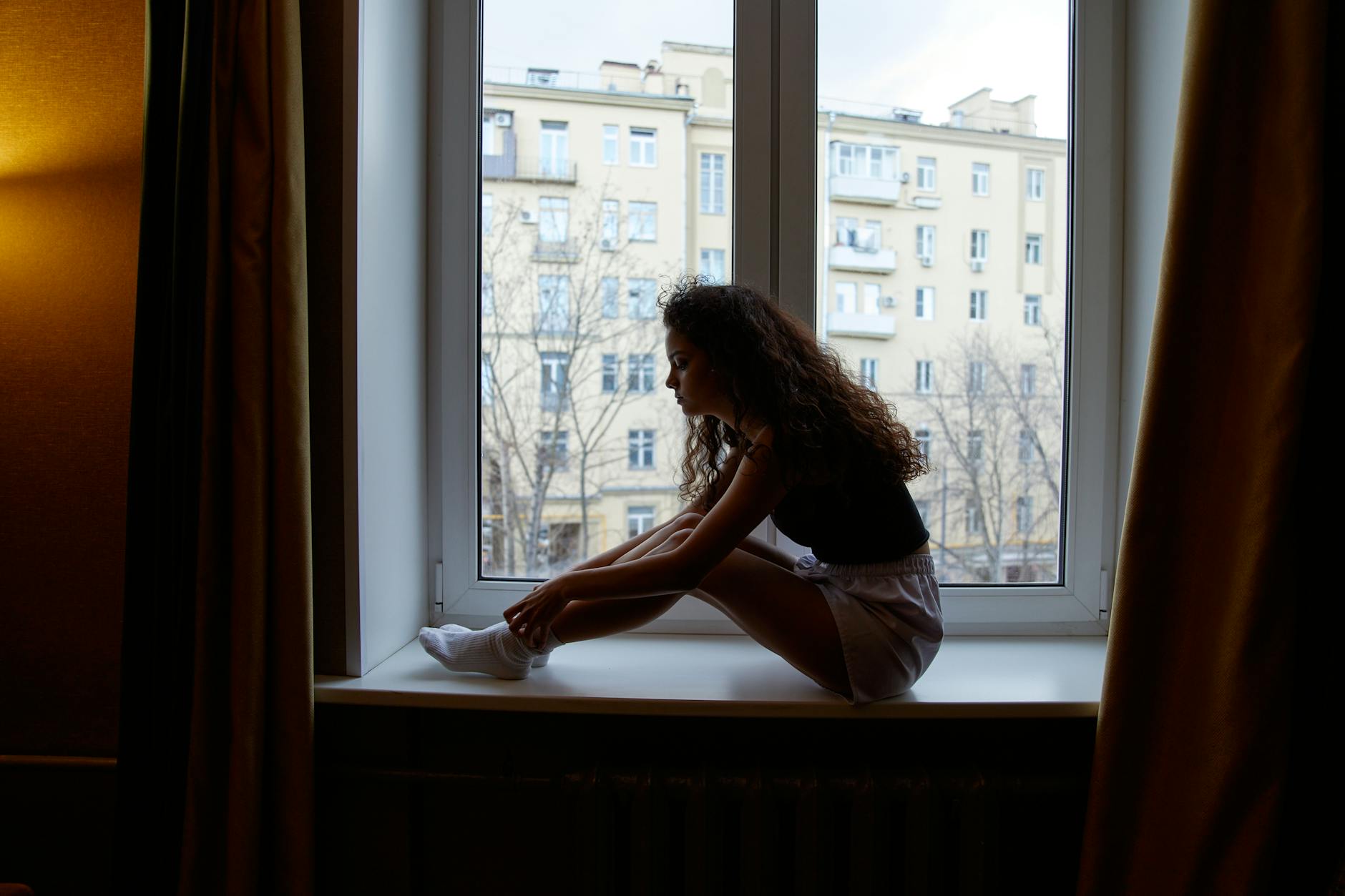
They watch rain trail down windows as if the drops are auditioning for a metaphor. They wander through farmers’ markets without buying anything heavy. They sip coffee that never scalds, gaze meaningfully across bridges, and somehow still make it to the office with perfect hair and the kind of calm glow you only get from eight hours of sleep.
Meanwhile, in real life, I am power-walking through Tuesday like a grocery cart with one rebellious wheel. The tea I brewed for a mindful moment is now cold; my phone has 19 notifications; and the cat has annexed a cardboard box to start her cardboard empire. I cannot confirm it, but she appears to be taking applications.
Cinematic Time vs. Human Time
Movies live in Cinematic Time—elastic, forgiving, curated by an editor who removes the parts where you wait for a web page to load or—heaven forbid—hunt for the other shoe. Human Time, on the other hand, is full of the small frictions that make days feel like running on a wheel: passwords we can’t remember, traffic that grows hydra heads, and emails that breed at night.
In Cinematic Time:
- People go on long walks to “clear their heads,” and their heads actually clear.
- They have deep talks on park benches without a single leaf blowing into someone’s eye.
- When they decide to “take a drive,” every traffic light is green, and the soundtrack knows exactly what they’re feeling.
In Human Time:
- We go on long walks and return with three new problems and a rock in our shoe.
- The park bench is wet.
- The drive involves a fresh pothole and a podcast that keeps buffering precisely at the aha moment.
The Invisible Crew We Don’t Have
Movie people have help we can’t see: a screenwriter who knows the point, a cinematographer who finds the flattering angle, and a production assistant who says, “We’ll fix it in post.” We, tragically, do not have a post. We have a sink.
If an actor needs an epiphany, someone writes the epiphany into existence. If I need an epiphany, I get one at 3 a.m., half-dreaming, then lose it by 7 because I decided to be a responsible adult and make breakfast. My reward is toast and a vague sense that I used to be brilliant.
Why Movie Time Feels Luxurious
Here’s the secret: films spend time the way we wish we could! They cut the noise and let one thread carry the moment. Wide shot, deep breath, hearts open. It’s not that the characters have more hours than we do; it’s that the story refuses to rush the parts that matter. The camera lingers. The score protects the silence. The world gives them a cushion.
We keep stuffing important things into the cracks between appointments. We are forever “BETWEEN”: between meetings, between pickups, between the version of ourselves we promised to become and the version who just wants a nap.
What the Movies Accidentally Teach
- Singular focus is magic. When the camera commits, the scene blooms. When we commit—even for ten minutes—the mind stops scattering like confetti.
- Transitions deserve respect. Films show the walk to the car, the drive over the bridge, the door opening. They honor the in-between. We skip that in life and wonder why our spirit feels whiplashed.
- Soundtracks matter. Music turns waiting into meaning. We can’t hire Hans Zimmer, but we can curate a morning playlist that says, “You are the main character. Drink your tea while it’s still warm.”
Reclaiming a Little Cinematic Time (Without Moving to Paris or Getting a Montage)
- Roll credits on multitasking. Give five undivided minutes to one thing. Watch how time expands when you stop arguing with it.
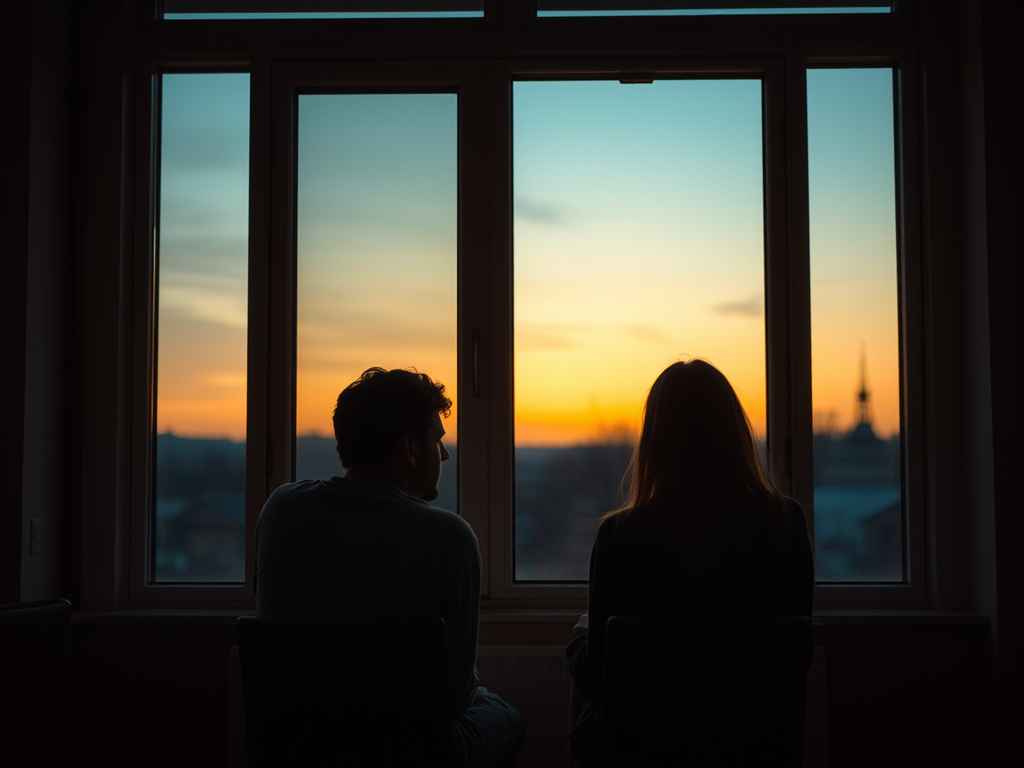
- Add a transition shot. Before the next task, stand up, breathe, look out a window. One beat of nothing. You are resetting the scene so your brain can arrive.
- Create a pocket ritual. Tea at 3 a.m. (if you’re awake), a two-minute journal, a walk to the mailbox without your phone. Small rituals are the stitches that keep the day from unraveling.
- Name the scene. “Confident Email Send.” “Gentle Evening Landing.” It’s silly, but it cues your mind to show up for that mood.
- Give yourself a soft focus. Not everything needs fluorescent clarity. Some moments are better believed than analyzed. Yes, it is true. Just believe.
When We Stop Running, We Start Seeing

I used to think well-being meant conquering the to-do list with military precision. Now I think it’s about arriving—actually being in the scene you’re in, even if it’s five imperfect minutes with a lukewarm mug (as I write this, my coffee is lukewarm). It’s noticing: the way morning light tilts across the floor, the small courage it takes to set a boundary, the humor in a cat who believes a box is a kingdom.
Movies linger to let meaning form. We can, too, in quick, human ways: by saying no without apology; by taking the slower road once in a while; by letting silence do a little of the speaking. Sometimes I drive to Balboa for a coffee and call it a plot twist. Sometimes I watch a butterfly chase the wind and decide that counts as therapy.
The Ending We Can Actually Have
No, we don’t get a lighting crew or an editor to cut our awkward hellos. But we do get to choose the scenes we will not rush. The conversation that needs time. The apology that needs softness. The yes that needs to feel like a whole-body yes.
So how come they all have time in movies? They don’t. They have attention, and attention makes time feel spacious.
Today, I’m going to borrow a little Cinematic Time. I’ll play my own soundtrack (low, something with strings), let the camera linger on the ordinary, and give myself one generous transition between the life I’m rushing through and the life I’m actually living.
Fade in. Hold the moment.
Action.
The reel is rolling for all of us — so take your scene, your pause, your imperfect coffee break, and play it like it matters. Because it does.